Skeleton Yorkshire Terrier Dog 1
H2: First Impressions and Visual Personality
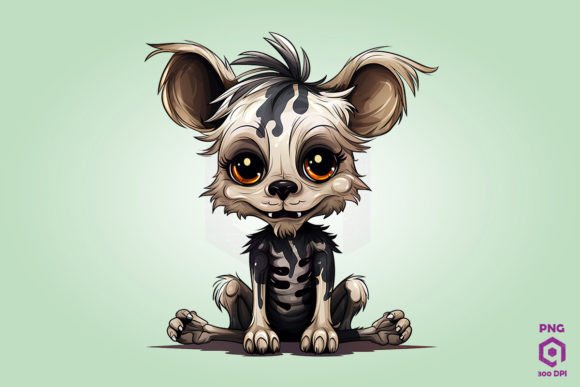
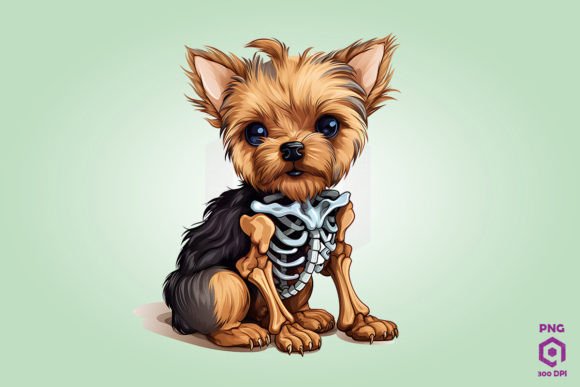
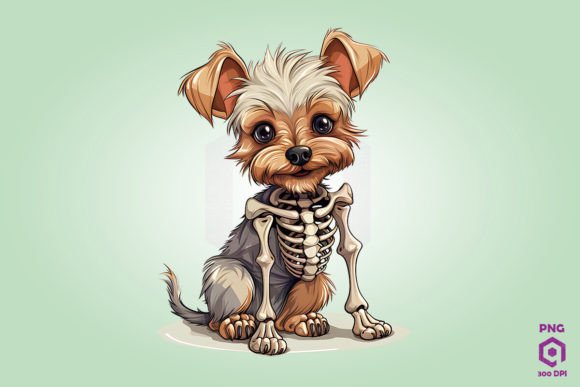
The first time I laid eyes on Skeleton Yorkshire Terrier Dog 1, I was struck by its eerie charm. The design is a skeletal version of a Yorkshire Terrier, rendered in clean lines and minimal detail. It’s not the kind of skeleton you’d find in a biology textbook—it’s more like a whimsical, almost playful take on the classic bone structure. The contrast between the delicate bones and the soft, rounded body gives it a unique visual balance.
This design feels like it belongs to a niche market—perhaps for those who appreciate dark humor or have a fascination with the macabre. It’s not for everyone, but for the right audience, it could be a standout piece. The overall mood is subtle yet intriguing, making it a great candidate for personalized gifts or boutique branding.
H2: Real-World Embroidery Use Cases
When considering how Skeleton Yorkshire Terrier Dog 1 would perform in real embroidery projects, I thought of a few scenarios. One that immediately came to mind was a custom embroidered tote bag for a pet lover who also enjoys a bit of edginess. The design could add a quirky touch to a simple canvas tote, making it stand out in a crowded market.
Another use case was a holiday gift—a personalized sweatshirt or cap featuring the skeleton dog. These kinds of items are popular during the fall and winter months, especially for people who want to express their love for dogs in a unique way. The design’s simplicity allows it to work well on both light and dark fabrics, which is a big plus for versatility.
H2: Considerations for Different Fabric Types
However, there are some fabric types where Skeleton Yorkshire Terrier Dog 1 might struggle. For instance, when working with thin or stretchy fabrics, the design’s fine details could become distorted or lost. This means that careful planning is necessary when selecting the right stabilizer and hoop size.
On the other hand, the design holds up well on textured fabrics. The slight variations in the fabric surface can actually enhance the depth of the skeleton’s structure, giving it a more three-dimensional feel. This makes it a good fit for products like aprons or pillow covers, where texture plays a role in the final look.
H2: Practical Design Notes for Embroidery Designers
As an experienced designer, I always recommend testing a new design on scrap fabric before committing to a full project. With Skeleton Yorkshire Terrier Dog 1, I would start by checking the stitch density to ensure it doesn’t become too dense or too sparse. A balanced stitch density helps maintain clarity and prevents the design from looking muddy or overly detailed.
Thread color contrast is another important factor. The design’s black-and-white nature means that choosing the right thread colors can significantly impact the final result. Testing the design in black and white mockups can help identify any potential issues with visibility or contrast.
H2: When to Use and When to Avoid
There are certain situations where Skeleton Yorkshire Terrier Dog 1 might not be the best choice. For example, when working with small hoop sizes, the design’s intricate details could be lost or compressed. Similarly, using it on curved surfaces like caps or hats may require additional adjustments to maintain the integrity of the shape.
In dense stitch areas or detailed corners, the design could become overwhelming. It’s also worth noting that the design might not be ideal for products that require frequent washing, as repeated exposure to water and detergents can affect the longevity of the embroidery.
H2: Impact on Product Value and Customer Trust
From a business perspective, Skeleton Yorkshire Terrier Dog 1 has the potential to increase product value if used correctly. Its unique appeal can make a handmade product more memorable, especially for customers who appreciate originality. However, it’s important to ensure that the design aligns with your brand identity and target audience.
Customer trust is also influenced by the quality of the finished product. If the embroidery looks crisp and well-executed, it can boost buyer confidence and encourage repeat purchases. On the flip side, if the design appears blurry or poorly stitched, it could damage the reputation of your brand or shop.
H2: Final Thoughts and Recommendations
Overall, Skeleton Yorkshire Terrier Dog 1 is a versatile design that can work well in a variety of embroidery projects. Its unique aesthetic makes it suitable for personalized gifts, boutique merchandise, and craft fair products. However, it requires careful consideration when selecting fabric types, hoop sizes, and stabilizers.
Before using this design in a commercial setting, I recommend confirming the licensing terms and ensuring that it meets all legal requirements for digital product sales. As with any design, thorough testing and attention to detail will help you create a finished product that stands out in the market.